
Building a Scalable Case Study System for Modern Project Storytelling
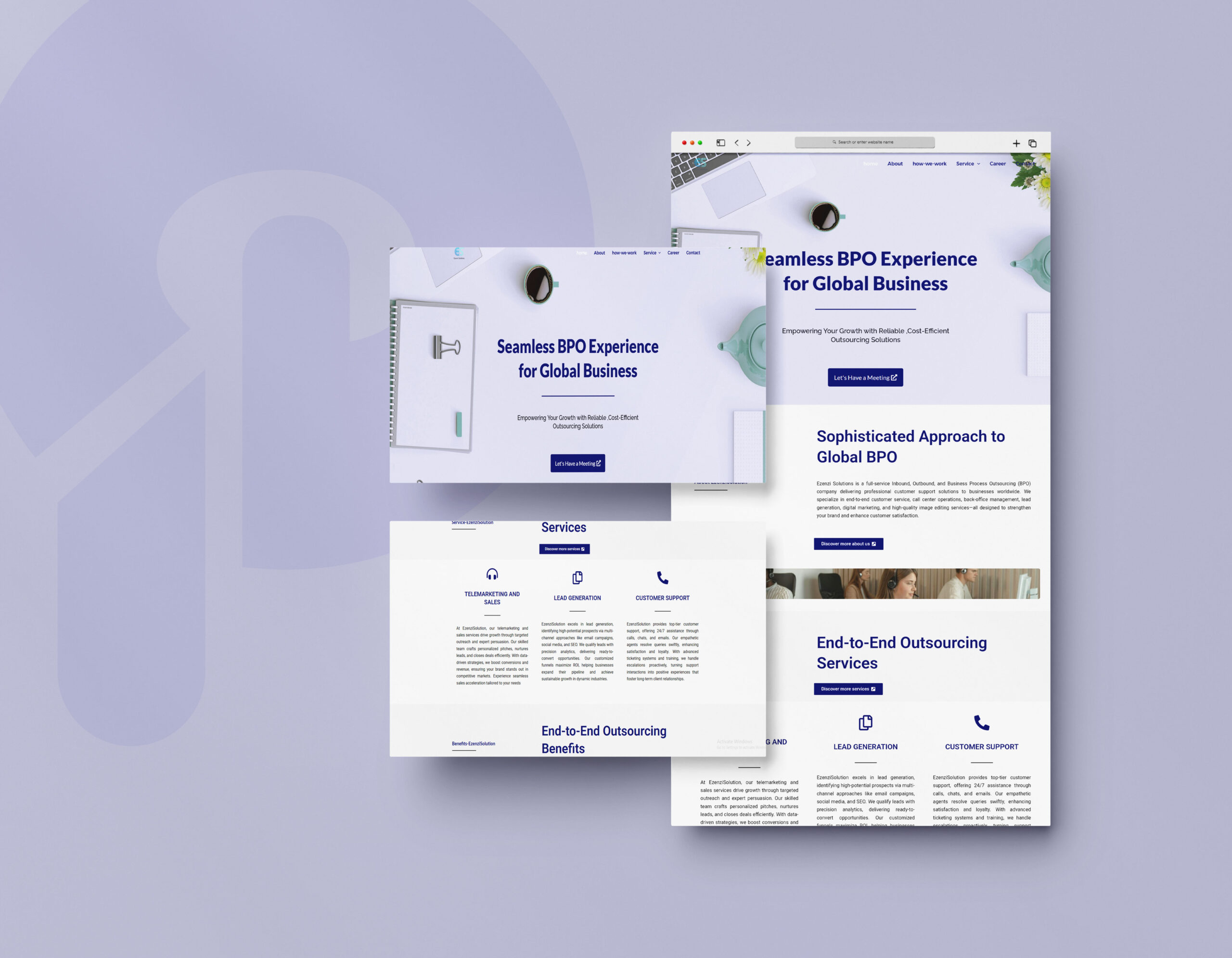
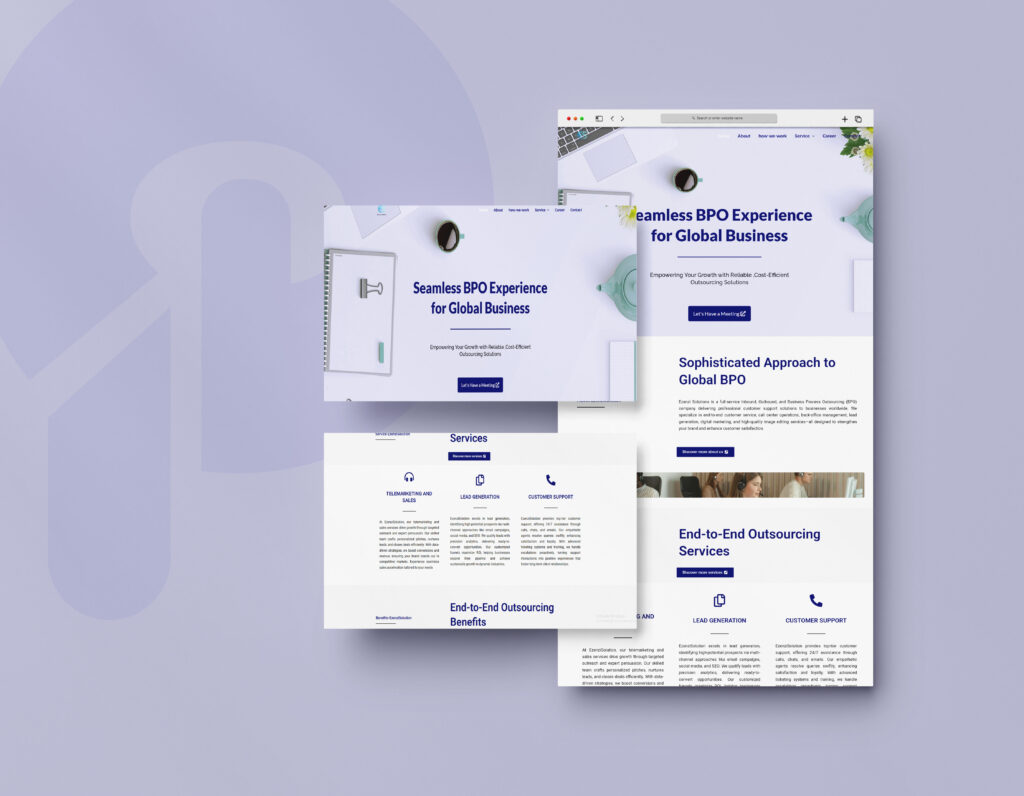
We designed and developed a custom case study publishing system that gives teams a structured, flexible way to showcase their work without relying on rigid page templates or repetitive manual formatting.
- Client
- Ezenzi Solution
- Role
- Design & Web Development
- Timeline
- 8 months
- Deliverables
- Custom WordPress Case Study System, CMS Architecture, Frontend Templates, Custom Fields, Responsive UI
The brief
We wanted to create more than another portfolio page. The goal was to build a reusable case study system that could handle different types of projects while keeping every story consistent, polished, and easy to publish.
The system needed to give editors control over the important parts of a case study—from the brief and constraints to process imagery, outcomes, quotes, technology, and project metadata—without requiring them to manually build each page.
At the same time, the frontend needed to turn structured content into an engaging story that works across desktop and mobile, while remaining flexible enough for different kinds of projects.
Constraints
- Flexible enough for different project types
- Easy for non-technical editors to manage
- Consistent visual structure across case studies
- Support for images, quotes, galleries and embeds
- Responsive presentation across devices
- Avoid unnecessary fields when content is not available
- Keep the publishing workflow simple
“We turned a collection of content fields into a complete storytelling system for digital projects.”
What I did
Content architecture. We started by breaking down what makes a strong case study and translated that into a structured content model. Instead of giving editors one large content area, we separated the story into meaningful sections such as the brief, constraints, process, outcome, technology, imagery, and project facts.
Flexible project types. We built the system around different types of work. A project can be presented as traditional client work or as concept/proposal work, with the interface adapting accordingly. Concept work can use its own badge and “What this explored” section while automatically omitting elements such as metrics and testimonials when they aren't relevant.
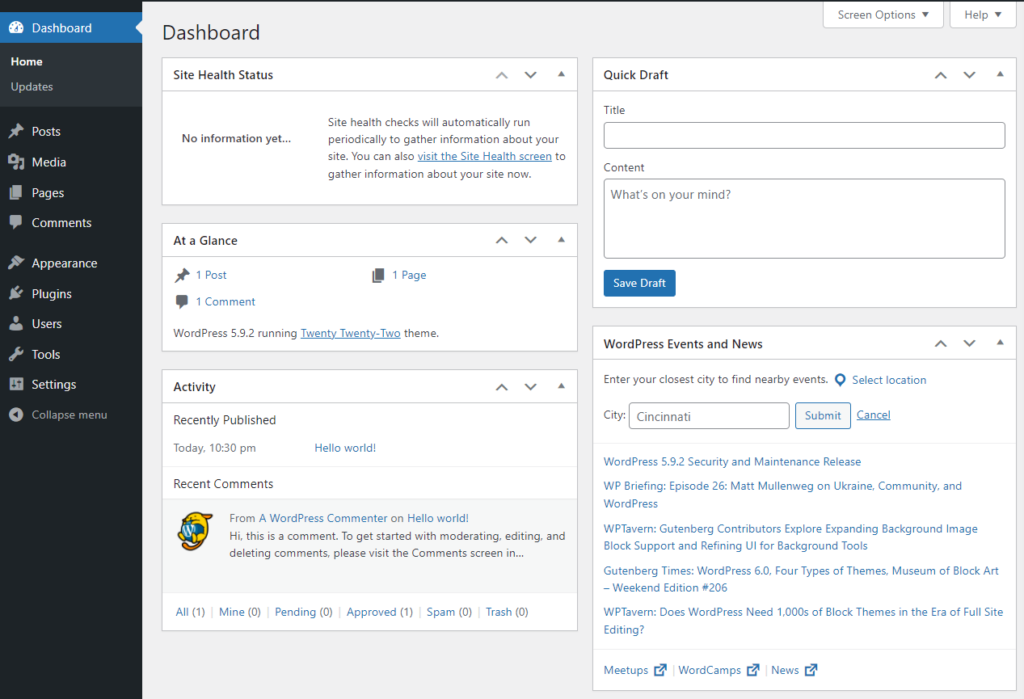
Editor experience. The WordPress editing interface was designed around the way people actually create case studies. Optional fields can be left blank and are automatically removed from the frontend, preventing empty sections and unnecessary visual clutter.
Structured storytelling. We introduced reusable content patterns for decisions, process steps, facts, quotes, outcomes, and technology. This allows each case study to feel unique while maintaining a consistent editorial rhythm across the site.
Custom frontend. We developed the frontend templates to transform the structured WordPress data into a polished case study experience. Content hierarchy, image placement, typography, spacing, and responsive behavior were all handled at the template level rather than requiring editors to manually design every page.
Rich media. The system supports hero imagery, side-by-side process images, additional galleries, full-width detail images, and optional embeds. This gives each project enough visual flexibility to tell its story without compromising the overall design system.
Responsive implementation. We made the entire experience responsive from the ground up, ensuring that long-form project stories, image galleries, fact bars, quotes, and content sections remain easy to navigate on smaller screens.
Reusable architecture. Most importantly, we built the system as a reusable publishing framework rather than a one-off page. New case studies can now be created by filling in structured content, while the website handles the presentation automatically.
How it came together
-
01
01
Content model
Defined the content architecture and identified the fields required to tell different types of project stories. -
02
02
CMS implementation
Built the custom WordPress fields, conditional logic, project metadata, media controls, and editorial workflow. -
03
03
Frontend system
Connected the structured content to reusable frontend templates with responsive layouts and dynamic sections. -
04
04
Refinement
Tested different content combinations, optional sections, imagery, embeds, and responsive states to make the system robust across real-world case studies.
The outcome
We created a complete, reusable case study publishing system that turns structured project information into polished, consistent stories on the frontend. Editors can now create and manage detailed case studies without rebuilding layouts manually, while the website automatically adapts the presentation based on the content provided.
Working with Yeasin Arena Excelytics is a wonderful experience, they professionally build every single thing from the sketch to a live website , elaborately consult and understands the business impact of our business and it's reflect on the canvas .
Md.Nahid Khan , Founder of Ezenzi Solutions
Built with
- WordPress
- PHP
- JavaScript
- HTML
- CSS
- Custom Fields
- Responsive Web Design